

Breast Milk Storage Made Simple
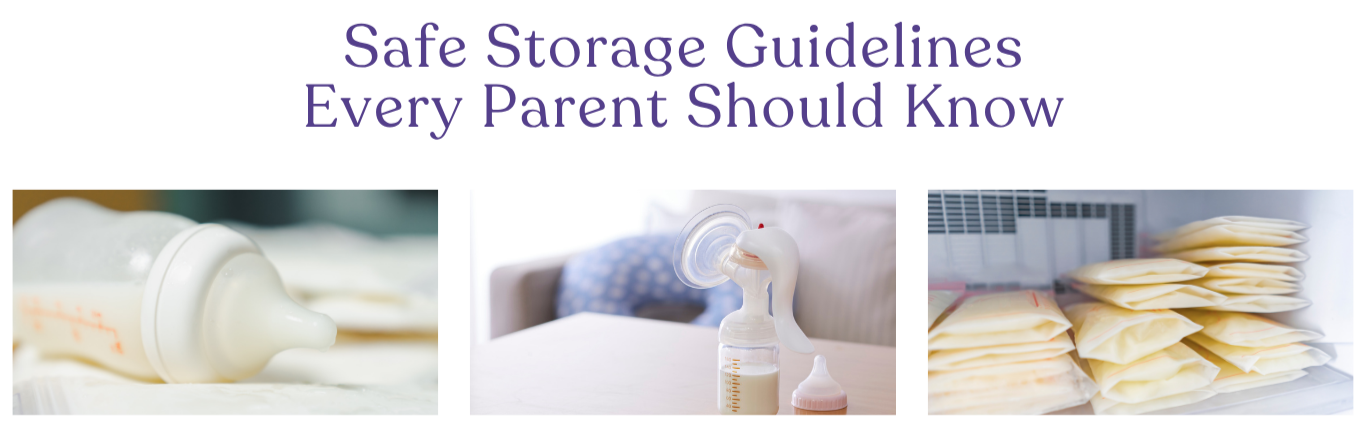
If you've ever searched "How long does breast milk last?" you've probably found dozens of different charts—and they don't always agree. It's no wonder so many parents feel overwhelmed when it comes to storing pumped milk.
The good news? Breast milk storage doesn't have to be complicated.
Whether you're exclusively pumping, returning to work, or building a freezer stash, these simple, evidence-based breast milk storage guidelines can help you confidently feed your baby while keeping your milk safe.
The Easy-to-Remember 4–4–6 Rule
One of our favorite ways to remember breast milk storage times is the 4–4–6 Rule.
Freshly Pumped Breast Milk
4 hours at room temperature (up to 77°F/25°C)
4 days in the refrigerator
6 months in the freezer is ideal (up to 12 months in a deep freezer)
These recommendations are based on healthy, full-term infants. If your baby was born prematurely, has medical concerns, or is hospitalized, your healthcare team may recommend different storage guidelines.
How to Safely Thaw Breast Milk
When it's time to use frozen milk, thawing it safely helps preserve its quality.
The safest methods include:
Thaw overnight in the refrigerator.
Place the sealed milk bag or bottle in a bowl of warm water.
Hold it under warm running water if you need it more quickly.
Avoid using the microwave. Microwaving creates hot spots that can burn your baby's mouth and may reduce some of the protective properties found in breast milk.
Once milk has thawed:
Use refrigerated thawed milk within 24 hours.
Once milk has been warmed for a feeding, use it within 2 hours.
Leftover milk from a feeding should also be used within 2 hours before discarding.
Can You Combine Breast Milk from Different Pumping Sessions?
Yes! Combining milk is perfectly acceptable when done safely.
The key is to cool freshly pumped milk in the refrigerator before adding it to previously chilled milk. Mixing milk of different temperatures can warm the older milk unnecessarily.
To keep things organized, we recommend combining milk pumped on the same day whenever possible. This makes labeling much easier and helps you keep track of expiration dates.
Can You Refreeze Breast Milk?
As a general rule, do not refreeze completely thawed breast milk.
However, if your milk still contains visible ice crystals, it is considered partially frozen and can safely be returned to the freezer.
Tips for Building and Organizing a Freezer Stash
A little organization goes a long way!
Measure Before You Store
If you're storing milk in breast milk storage bags, measure the milk in your collection bottle first. Storage bags often don't provide the most accurate volume markings, so measuring beforehand helps you know exactly how much you're freezing.
Use Your Flange as a Funnel
Transferring milk doesn't have to be messy. If you're pouring milk into a storage bag, use your pump flange as a funnel to guide the milk into the bag. This simple trick helps prevent spills and saves every precious drop.
Freeze Smaller Portions
When starting your freezer stash, freeze milk in 3–5 ounce portions. This amount matches what many babies eat in a single feeding, helping reduce waste when thawing.
If your baby is still very young, you may even choose to freeze some bags in 1–2 ounce portions for flexibility.
Freeze Bags Flat
Lay breast milk storage bags flat in the freezer until frozen. Once solid, stand them upright or store them in labeled bins or containers.
Freezing bags flat:
Saves valuable freezer space
Makes milk easier to organize by date
Allows milk to thaw more quickly
Label Everything
Before freezing, label each bag with:
The date the milk was pumped
The amount stored
Your baby's name if milk will be used at daycare or in a childcare setting
Always use the oldest milk first by following the "first in, first out" method.
Keep It Simple
Breast milk is incredibly resilient, and most parents don't need to memorize every storage guideline.
Wash your hands before pumping, use clean pump parts and storage containers, label your milk, and remember the 4–4–6 Rule. These simple habits will help keep your milk safe and make feeding your baby much less stressful. Want an easy reference? Download our FREE Breast Milk Storage Cheat Sheet to keep on your fridge, at your pumping station, or in your diaper bag so you'll always have safe storage guidelines at your fingertips.
Need Help with Pumping or Milk Storage?
Whether you're building a freezer stash, returning to work, pumping exclusively, or simply wondering if you're storing milk correctly, we're here to help.
Contact us today to schedule a consultation and feel confident every step of your feeding journey.